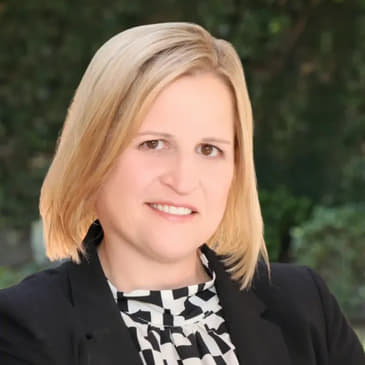
Victoria Greene is the Chief Investment Officer and Founding Partner of G Squared, where she helps guide investment strategy and market insights for advisors and investors. Known for her thoughtful approach to leadership, decision-making, and navigating uncertainty, Victoria brings a unique perspective on mental toughness in high-pressure environments.
00:00:43 Horses, Presence, and the Power of Being Fully in the Moment
00:03:21 Why High Performers Need Quiet Before the Pressure Starts
00:05:46 The Most Dangerous Words in Investing: “This Time It’s Different”
00:08:17 The Emotional Reality of Losing Millions in the Market
00:11:43 Staying Disciplined When Fear and Headlines Take Over
00:14:48 Acting Like a “Personal Fed Chair” During Emotional Extremes
00:18:18 Growing Up With Toughness, Pressure, and High Expectations
00:24:40 Why Perfectionism Quietly Destroys Consistency
00:30:40 Learning to Recover Faster Instead of Beating Yourself Up
00:33:31 The Brutal Feedback That Changed Her Leadership Style
00:36:37 Building Winning Cultures Without Toxic Competition
00:38:34 What Great Quarterbacks Understand About Leadership
00:41:27 Creating a Culture of Success Without Losing Yourself
00:45:54 The Hardest Part of Success No One Talks About
00:49:36 Why Self-Awareness Is the Ultimate Leadership Skill
00:52:53 How Relationships Opened the Biggest Doors in Life and Business
Don't forget you can also follow Dr. Rob Bell on Twitter or Instagram!
Follow At:
- X @drrobbell
- Instagram @drrobbell
Download Your Daily Focus Map!
If you enjoyed this episode on Mental Toughness, please subscribe and leave a review!
Dr. Rob Bell
[00:00:09] Welcome to Mental Toughness Podcast with Dr. Rob Bell. Each week, Dr. Rob sits down with athletes, executives, and expert coaches to talk about mental toughness and their hinge moment. Here's your host, Dr. Rob.
[00:00:39] Our guest today on the Mental Toughness Podcast, she is Chief Investment Officer and Founding Partner at G Squared Private Wealth, where she leads portfolio strategy, investment decision making for clients navigating complex markets. Her insights have been featured on CNBC, Bloomberg, Fox Business, where she's known for bringing clarity and perspective, specializes in helping investors stay disciplined, focused on long-term strategy.
[00:01:06] This is a conversation about composure under pressure, what it really takes to perform when it matters the most. Our guest today, I'm excited for this conversation, is Victoria Greene. Victoria, thank you so much for the time. Yeah, it's great to be here, Rob. I love starting off one of your passions about horses. Talk to us about the love for those beautiful animals. So I was totally a nerdy horse girl growing up, and I guess I never really quite grew out of that.
[00:01:35] But one of my favorite things is that being around horses really makes you have to be centered and focused on the moment. They sense everything. They sense your emotional well-being. You know, you definitely can't be stressed out or not focusing when you're riding them because that's definitely a way to get dumped on your butt. You know, because they'll freak out if you're holding all the stress in and you're sitting on top of a horse. They start being like, oh, do you see a predator? Should I be worried? Like you're worried about something. So it really helps you decompress. It really helps you stay focused. And there's nothing like the partnership of a good ride.
[00:02:02] I think almost all of us horse people out there can talk about just the joy of when you've had just a wonderful ride and the partnerships there. And it just everything works and everything clicks. But honestly, one of my favorite moments is probably the quiet moment when you feed in the morning. Because for me, it hits all the senses and it's just so peaceful. And I'm going to go a little bit deep dive here, but it is for all the other horse girls and horse nerds out there. But in the morning for me, it hits all five senses, right? You walk in, you run the horses in or you bring them in from the pasture.
[00:02:32] You hear the hooves on the ground. You have the scent of the sweet feed and the hay. You hope you don't get hay down your shirt and in your bra because that's really itchy and annoying. But then, you know, you're feeding them and then you can hear them. They're munching. It's just such they're snorting. It's just like the sight, the sound, the smell. It just hits all the senses. Hopefully, you know, I'm there with my cup of coffee. The dawn is breaking. You've got kind of the gray morning. And it's just that morning of peace. And it just really feels really, really tranquil. And I've always felt lucky that I have that.
[00:03:01] And I kind of hope everybody has that because I know sometimes, look, I'm an early morning person. I'm usually here about 6, 630. But I think it's so key to have that kind of peaceful start to the moment. Have some sort of you time where you can kind of just get your thoughts together. And maybe you're not even thinking about anything. Like hopefully you can actually just check out and enjoy the moment, which is rare in our industry. I feel like we're constantly, what's happening next? You know, we're earning seasons right now. News is already starting to drop at 6 a.m. You know, so just taking that that minute.
[00:03:29] And it's one of those that if you're not a horse person, maybe you don't get it. But if you're an animal lover or a horse person, there's that moment where it just feels feels right. And it's just such a it's a great sight, smile, sound and just really, really fantastic. Mm hmm. I love the way you incorporate those five senses into it. I think everybody should have that, though. You got to have the stillness because once you get going, like you're going, you know, if you don't have that peace and quiet and whatever that is. Maybe it's for me, it's running, but maybe it's walking the dog.
[00:03:59] But I just think that that peace you have to have so important. I also tell people sometimes take the earbuds out. Like I know, like when I'm walking, I'm like, sometimes it's really nice to not listen to something and have like a quiet moment, which because we're just overloaded every minute of every day. Right. The phone's ringing. Things are happening. We're watching something on our phone. We're reading something. You know, you're on your phone constantly. And I am, too. Don't don't kid yourself. I don't ever look at the hours I log on social media or in my text apps.
[00:04:28] You know, I think that would make me feel a little ill. But I do. I always hope somebody everybody has that that moment. And candidly, I've got to give a lot of props to to my family for making me a morning person, because I think that also is easier. Like, do I love getting up when the arm rings at 430? No. Is it hard for me to sleep in past 637 on vacation? Yes. Like my body is just at that point. It's naturally rising. And I feel like that almost like it's unfair being a morning person.
[00:04:53] And if you're a night person and you don't work in tech and you're ginning up at 3, 4 in the afternoon and you like to work at 8, 10 o'clock at night, that's really hard to be a finance person. Because our expectation is like so much happens in the morning. You've got to be ready to go. So however you get your chakras aligned that you can actually become a morning person, you know, I think that is a crucial way of success. And I'm sure you talk to plenty of people that talk about, you know, being up and going early, even if you're not quite in the office. But get your workout done. Find your center. Do your reading.
[00:05:23] Catch up on the news. Like many, many, many successful people attribute getting going early in the morning as one way they stay on top of it. And so I always do feel a little bit bad. If you're wired differently and you prefer working at night, like that's tough in finance. Yeah. I always say the first hour of the day sets the rudder for the rest. It does. It does. It does. And I do hate those days, though, where you're like, just should have stayed in bed. Like hit every red light. Clothes don't fit right. Your hair doesn't look good. Whatever it could be.
[00:05:51] We all have those off days. And it's kind of funny. Really hard to sometimes stop that snowball when you have an off day. But you have some of those that you just laugh and said, oh, I should have stayed in bed. Right? Yeah. So question for you. When you're talking about the connection with the horses, like how does that equate then to your business life? Because if, you know, you being calm, your clients are calm. Like you get a little bit stressed. Clients get a little bit stressed. Even in the small moments.
[00:06:20] But I was wondering if you could talk about that connection. Yeah, absolutely. So one, I think that's crucial as I talk about it, like a partnership. Like I'm not there to dominate them. You know, it really is a partnership and you work together because they obviously a thousand plus pounds. If they want to run me over, they can. And our clients, if they want to fire me, they can. You know, there's a different dichotomy of power there. So it really becomes about partnership and being really clear on what you ask. You know, you talk to most horse trainers and it's not a horse problem. It's a rider problem. Similar for dog trainers. Right?
[00:06:50] It's not the dogs badly behaved. It's we're terrible at being dog owners. And so a lot of that is really the clarity of communication and listening to them and understanding, do they understand what I'm talking about? Are they asking me a question? I'm understanding, you know, really, really what they're concerned about. Because sometimes it's not the first order thing they're talking about. There's something behind it driving the fear. And so we really want to dig into that and ask deeper questions and understand what they're doing.
[00:07:15] And I can't just splurt facts back at them because at this point it's an emotional need. It's not just, hey, historically, this market's always bounced back and we have these 10% pullbacks. And I can give you all sorts of data and facts. But for a lot of people, that's not going to move the needle if you're already worried and concerned. So then I really have to dig into, like, what's this driving behind it? You know, is it, you know, something's happening in your personal life that's making you more insecure about money?
[00:07:43] Or they've got things going on that are bleeding into here where you're worried you might need more money. So that's making you feel pressure that you can't lose more money. Is it because you're logging in every single day and torturing yourself and seeing, like, oh, my goodness, I'm losing money every day. Like, I just need to make the bleeding stop. I tell people all the time, we have very, very smart people that panic. Panic has nothing to do with logic. It has nothing to do with intelligence. Panic is purely emotional.
[00:08:07] And so we do work hard trying to kind of understand those emotions, talk to people in a way that resonates with them. And the funny thing is I'll always use an example. If I'm in a meeting and we're working on onboarding a new client and I ask them, do you feel comfortable if you lost 10 percent? Almost unequivocally, every single person will say, oh, yeah, absolutely. I mean, who won't say yes? Like, you're worse if you don't feel comfortable, right? Like, you kind of feel the pressure to be like, absolutely, I feel comfortable. And I say, OK, well, great.
[00:08:37] You know, you've got a $10 million portfolio. How are you going to feel if we lose you a million bucks in a month? And then there's a pause. Then there's like, oh, now it's real dollars. Like, instead of 10 percent, an arbitrary number, now it's dollars that make sense to them, that resonates with them. And I say, well, that's a very, very, very terrible drawdown. But I'm like, candidly, we just had something very similar to that in March. And I'm like, it can happen. You know, when you have geopolitical events, we have something happen.
[00:09:06] You can have rapid sudden drops and the worst thing you can do is to sell out. But that's no longer your logic brain. It's your lizard brain. It's your emotional brain. And so we want to talk to them about, I'd rather you not be as aggressive. You get to know us a little bit better. You feel more comfortable with it rather than you get a little too far out there on risk. And then suddenly we get hammered by something, you know, who knows, Greenland might be next or Cuba. Or we tend to be a little bit in an invasion, you know, a little manifest destiny period right now.
[00:09:36] Yeah. So we have to make sure we're just really connecting with them on the level that resonates. And so for me, that's just finding out what really is the driving impetus behind it. And a lot of times we talk to them about what's the providence of wealth. Because sometimes if you grew up wealthy, you have a little bit better understanding. And it is a little bit less emotional because you've seen wealth. You understand it. You grew up in it. Now, let's say you've inherited it. Or, you know, God forbid you won it in a lottery. Or you even had a very large retirement account.
[00:10:05] And now you're working on doing something. Or you sold your business. And you've been wealthy your whole life. But you've never seen the commas and dollars in that account. All of that can just change how then you're emotionally connected to your money. And so we can talk about being, you know, logical and rational. And here's all the best things for you historically to invest in. But all of that goes out the window when emotions get involved. And so I'm just like, that's one part that we can never ignore. That we're human beings. And we react as human beings do.
[00:10:35] So we just have to understand that that's a big driving force behind decision making. And our job is to try to just, you know, almost quasi-therapist hat. Like, let's talk through why we feel uncomfortable. And, you know, and sometimes it's, all right, we're just going to have to be a little bit uncomfortable. And the funny thing is, then when I call them back when it's rebounding. And I'm like, all right, well, you were uncomfortable. And maybe we need to trim back on risk. They're never interested.
[00:11:01] I just have to get them through the crisis period without the panic cell. You know, that's so, it's such a great, wow, so many great points in there. And throwing out the manifest destiny. Well done. Well done. That's probably the first time that's come up. That term has come up in one of the podcasts. That was great. I always say, like, you can't outfact emotion, right? No amount of facts is going to outfact what somebody is feeling, right? And you said that so well, and especially the providence of wealth.
[00:11:30] And I like to say, like, everyone is a long-term investor until their stocks go down. Yep. Right? No, they just have to, you have to have that patience. And again, it's all about, I never want to be condescending. Partially, I need to understand what your education level is. How used to it are you? Have you ever lost money before in your life? You know, and just really being able to then provide excerpts or, you know, and my favorite thing is, you know, the four most dangerous words in finance is this time it's different. It's never different.
[00:11:59] It's going to feel different. It's going to feel loud and terrible. It's never different. But that's how they talk themselves. Well, you know, I can say, well, it's always come back. Well, this time it's different. And I'm like, hmm, you just said the four most dangerous words that exist in finance. I love it. A little Howard Marks. Yeah, it was good. If we can just go down that path a little bit further. So a CIO, right? And just like the part of everyone being a long-term investor, like, and we've mentioned
[00:12:27] this before, it's not risk tolerance, it's loss tolerance. Like, talk to us about the importance of mindset, not only for you, but then for, you know, those that are working for you and how you coach them up to that. Yeah, absolutely. I think we've been in such a strong bull market. You got to go back and realize, like, these cycles aren't the same. And we had that period of time from 2000 to 2010 where it just got repeatedly kicked in the teeth, right? You had the tech bubble burst. You had 08 happen.
[00:12:55] You had a whole decade where people kind of just got just beaten up by the markets, like didn't make any money for a decade. But ever since then, candidly, we've been on this massive, massive bull run, secular bull run. And so it's almost made us extremely complacent as investors. It's difficult, you know, but then when we can show the compounding charts, we can show the importance of staying invested. You know, we did a lot of work on wars and crisis because I think what we're fighting now is a different war. We're fighting and that's not like a physical war. It's an emotional war.
[00:13:25] Long term for some people is like a month now. Like long term doesn't mean a decade for people anymore. Sometimes long term is just this like a trading and gambling philosophy that has integrated it, especially in the younger generations. And so what we really try to talk about is like, yeah, back out that chart. Talk about compounding. The power of, you know, compounding in a tax exempt or tax deferred account is massive, especially for young investors. And we really just want to put context behind it.
[00:13:53] You know, the probability of you losing money over 10 years being invested in the S&P 500 is like less than 10%. Now, the probability of losing money in the S&P 500 on a monthly basis is like 60, 40. You know, it's a coin toss. Depends on what's happening in the world. And so I really try to then, I do try to like hit him with some facts that some of this is we're in this beautiful secular bull market that just staying around has made you a lot of money. And that does make my job a little bit easier because I can point to in the last five years,
[00:14:23] multiple events that have gone wrong that the market has very, very quickly recovered from. So from COVID to the 2022 bear to the tariff tantrum to the Iran war, you know, and I always talk about if you just unilaterally wrote everything that's happened the last five years and then asked somebody and said, what do you think the stock market has done during this period? I would say they'd be like, oh my God, it's terrible. We're in some sort of bear market, like Great Depression. Like there's no way.
[00:14:50] And so I sometimes I'm like, you have to realize like politics matters much less to investments than it does to us personally. You know, where we are in economic cycle, what's happening with rates, where we are in a profit cycle and earning cycle, all of those huge macro drivers remain intact. And so a lot of it is just trying to convince them not to log in. It's not a day to day thing. And honestly, I'm like a personal Fed chair, right? When it's getting too hot and the market's running up, I'm trying to pull people back from
[00:15:18] overinvesting and overallocating and staying the course that we've set. And when things are bad, I'm the Fed trying to stimulate and be like, hey, like, let's not freak out. Like our stocks will come back. We've got bonds. You know, a lot of our clients are not 100% equity investors. We have some that are very much just long term growth focus compounding only. A lot of people, especially if you have their entire portfolio, you are balanced somehow. And so we talk about that and we say, all right, worst case scenario, your burn rates, you know,
[00:15:47] 150K a year, we've got 2 million in bonds, we could wait, we can wait three or four years before we ever had to touch a stock. And then and so a lot of it just is really trying to get to meet them on their ground. And I think there's a way of doing that. It's not condescending. You know, it takes work. It takes emotional energy on our part. And it takes really trying to spend that time to get to know them of what are your primary drivers like blast emails are great. We've got newsletters, we've got lists. But sometimes there's a lot to be said for the one on one interaction, the picking up the
[00:16:16] phone, making sure they feel heard and valued, making sure they feel that you really are taking the time to look at what they're doing, how they're allocated, how is this still appropriate for them? And then that really helps. Like, I'm like, hey, look, you pay me to worry for you. Like, I got it. I worry plenty. Like, I got that anxiety thing down pat. But, you know, so in that regards, then you don't have to worry about it. Because if I was really worried, I'm going to come to you. But that takes that trust and that bond. And that's why, you know, we're hitting this day and age and AI.
[00:16:44] That trust and bond thing is hugely powerful. Because they understand. I know them. I know their family. We've met with them. We, you know, I'm going to pick up the phone if they need something. And I'm going to be here for them. Even if it's just to kind of let them get it out of their system and rant. Like, I want you to do that before it builds up to the point that you've already convinced yourself your only thing out there is to sell. Great customer service and advice. It's the byproduct then becomes revenue. Yeah, that's awesome. Well said.
[00:17:13] But, you know, when you were really big into stoicism and resiliency, and I mean, I know they're huge influences in your life. But talk to us about, you know, those impacts. Oh, my goodness. So, and this is funny. I was just up in my with some family this weekend. And I was bringing up that I was like, I feel like our family grew up as stoics. And they pointed out they were like, well, we're stoicism with a side of hedonism, because we do still like to have a good time. Yes.
[00:17:38] So we're a little bit of somehow the yin and yang between the two, whereas stoicism with a little side of hedonism, because we do enjoy travel and fun in life. And so I think there's my work philosophy is very based on on stoicism. And candidly, and this is going to sound dumb. It goes back to being a kid. My dad and I, we used to read the comics every day. And we loved Calvin and Hobbes. And the dad and Calvin and Hobbes always had this catchphrase of like, being miserable, build character.
[00:18:07] And that became like a catchphrase in our family. And then it grew into like, getting there is all the fun you deserve, because obviously road trips with the family are sometimes, you know, a little, a little hit or miss how that goes. And it just became this all about building character. And that started, like I said, when I was like, seven, eight, reading the comics. And by the way, Calvin and Hobbes are very underrated, even as an adult. If you've ever gone back through, there's actually a lot of kind of great adult themes in there. But one of the themes was the dad, you know, loved to go out and suffer because it like built
[00:18:37] character. And it was that my dad was big into that. And so it kind of was just the way we grew up that like life is hard. Get over it. You know, there are a few, you know, my dad would have, it's a long way from your heart, you know, if you hurt something, you know, and so it was a little bit, you know, suck it up, buttercup, which really helped build and start that resilience. Because, I mean, it just, everybody deals with things throughout their lives, you know, and I wasn't the easiest kid in high school at all.
[00:19:06] And then you get into college and you're still figuring out who you are and what you want to do. And then you enter the workforce and you realize you've learned nothing and know nothing. Like there's always that realization in your life. And so you, you enter the workforce and you start to really learn who are you as a person. In my opinion, you really do. You learn a lot in high school. You learn more in college. But then once you enter the workforce in your mid-20s, you change a lot in your 20s to 30s. And I 100% absolutely did.
[00:19:33] And so I had to take this stoicism, this thought that I don't control a lot in the world. All I control is my effort. And I used that to really become a hard, hard worker. And I always had a great work ethic. But for me, another moment was when I was studying for the CFA charter. At that time, they only tested once a year. So if you failed it, you had a waiting period and felt terrible. And so I had this whole thing of studying for the CFA is a marathon and a sprint, right?
[00:20:02] You got to get through a large volume of materials. And then the months beforehand is the sprint to remember everything, take practice tests, and to prepare. And I had this mentality. And it was always terribly timed. Like there was no Memorial Day. Like the weather would be nice. And you're stuck inside studying like right before the exam. It was like June 1st or something. So of course, the spring is nice. And wonderful things are happening. And you're stuck studying, which is terrible.
[00:20:27] But I was like, if I'm going to be slightly miserable, I might as well just push myself a little bit harder and be fully miserable and make sure I don't have to do this again. And I mean, I just went completely nuts like studying because I was like, why not? I don't want to even risk failing this test. Like I might as well just go full bore, like dedicate myself to this. And I feel like, look, I'm not dumb. I'm smarter than the average bear. But I'm not a savant. I can't do advanced calculus in my head, you know.
[00:20:55] And so for me, I had to work. And so I always tell people that are studying for that. I'm like, it's a lot of it is not you're not smart enough. A lot of it's the work and you can't keep it up. So one of it's the pace that you have to keep it up for months and months and months. And then the second part of it is like you just have to work hard and then not get it. And when it gets exhausting and when you get overwhelmed, you just, you know, you take a small breather, but you get back to it, you know. And so all through that, then it was just this I can outwork anybody.
[00:21:24] And that's always been my philosophy. And that's why I get to the office at 6, 630 of like partially I have a lot to do now. But partially it was always like I can build better habits. And I think that's one thing, especially young people don't realize you're building habits, but you can build and define your habits as your career progresses. And so just because maybe you start off and you're not a morning person, that doesn't mean you can't retrain yourself into getting up and doing things earlier.
[00:21:51] You know, we all talk about the people at the gym and I'm like, I don't care if they're walking on the treadmill. If you're at the gym at 435 and you're moving, you're doing better than 90 percent of the population. Like sometimes it's that effort and that one. And I know I'm kind of going off a stoicism thing here. I can go much deeper into that. But basically, you know, stoicism is like it's going to suck. Just get over it. Like it's going to be terrible. Things are going to happen in your life. You don't control and you just need to push through it.
[00:22:17] And so I've always thought that was just a really great philosophy and a way to live your life. And it's a way to accept personal responsibility. It's a way to accept that you don't control things. And it's phenomenal for investing and finance because there's so much we don't control. There absolutely is not. But the one thing I did have to learn to let go of a little bit is perfectionism. And God, that drives me insane still. But I did. So I understand I don't control things.
[00:22:46] But at the same point, I want everything to go perfectly every single time. And you're never going to have that happen. And that's where the resilience comes in. I'm never going to get it 100% right. I'm never going to get every single stock call right, every economic call. I'm not going to resonate with the clients. You're going to lose clients. You're going to lose pitches. You're going to have months you underperform. You may even have a year you underperform. We get things wrong all the time.
[00:23:11] And it's that resiliency and that mental toughness that, hey, I have to keep going. This isn't working out the way I want it to, but I have to keep going. I have to understand maybe why. But just because I got something wrong doesn't mean I just get to crumble and feel bad about it. And I think that is so underestimated. And I really, really, I talk to a lot of high school and college kids. And I'm a big passionate about giving back, especially pushing women.
[00:23:41] I want them to pursue STEM. I want them to pursue finance. And I tell them, I'm like, you're just going to have to get over that you're going to be wrong. Like, you've probably been smart and brilliant. Maybe you're a 4.0 and you've never gotten anything wrong in your life. But if you don't get things wrong, you're not pushing yourself. And you are going to get things wrong when you enter this workforce. And I get worried sometimes, like, if you're not used to failure, how are you going to respond when you fail in life? And I'm like, failure is so underrated.
[00:24:10] It is necessary. It's that building block. And I'm like, talk to any successful person. They almost always focus on picking themselves back up again after they failed. And so all of that, to me, builds this, the whole, like, feeds into my stoicism. It's the resiliency. It's this acceptance that things might be tough. It's the acceptance that failure is a part of life and I can't be perfect. And that's honestly something I still work on every day. Like, I wish to God I could ever hit that perfection standard.
[00:24:39] But there's part of me that's had to realize, okay, I'm never going to hit it. It's a great thing to strive for. I just maybe are never going to hit it. But that's okay. I'm not going for perfect. And that was the last thing. And I know I'm rambling here again and I apologize for that. But I used to be like, if it's not perfect, I'm not going to do it, right? If I don't have an hour to go work out, I'm not going to do it. And I've realized I'm like, 15-minute walk is better than no walk. You know, 30-minute workout, better than no walk.
[00:25:06] And so I've had to learn that black and white perfectionism, like, while they had some great qualities for me on striving for excellence, it's also not the way the world works. Like, sometimes we're just going for better than what we were before. And that's not perfect. But, you know, and you see people bargain that all the time. Well, you know, I had one cookie, so my diet was blown, so I went to McDonald's. Or I only had 57 minutes, so I couldn't get a full workout in. So, you know, I'm just not going to go to the gym.
[00:25:36] And we use it almost as this bargaining. If I can't have it perfect, then it's off the window. And I'm like, I've had to learn to accept that it's all right. Like, it may not be perfect, but better than what you had. So, like I said, if you're at the gym walking at 5 a.m., is that the best workout? Maybe not. But you're still doing something most other people aren't. You're out of bed. You're moving. Like, give yourselves some props for that. Mm-hmm.
[00:26:00] Hey, good looking. If you like this podcast and are already a badass, but it's all way too complicated, then visit our website, drrobbell.com, and schedule a call with us to help capture your very own hinge moment.
[00:26:38] Electrolyte and hydration mixes in drinks are not created equal. I mean, check the ingredients. They have sugar or sugar alternatives. And there's tons of added stuff. Allow me to introduce you to the best electrolyte mix, Light Balance. L-Y-T-E balance.com. It's a naked electrolyte mix, which means no preservatives, no sweeteners, no flavoring, no caffeine or gluten, and no calories.
[00:27:08] I'm always on the search for the best hydration, and I've found it. My entire family uses it, and I use it on all my runs. It solved all my hydration issues. Your body needs magnesium, potassium, and sodium, which Light Balance conveniently provides in liquid or powder form. Pure, powerful hydration. Light Balance. Go to L-Y-T-E balance.com.
[00:27:42] Victoria, like, delve in just a little bit further on that perfectionism, and then working with perfectionists, like, the striving for perfectionism is always great. All those qualities are great. It's just, like, the acceptance of it or when we're not perfect or judging ourselves, like, because we're the hanging judge, right? Like, off with her head, man. Like, we're our own harshest critic when it comes to that. I wanted to kind of parlay that into you do an awesome job on your segments on CNBC.
[00:28:10] Share with us, like, what does your mindset have to be? Because you need to put yourself out there when it comes to it and not hedging the bets, so to speak. But, like, what does your mindset need to be when you're just on, like, the CNBC when you're doing those segments? Sure. So they're always live, so that's a little intimidating. One, I prepare. I have a preparation that, okay, here's the time period. The worst part is if your preparation gets squeezed, and I think almost every athlete will tell you that, like, I have a routine that I like to go through, and when your routine
[00:28:40] gets whatever reason you can't routine, you have to just have that, again, mental fortitude, mental toughness to be like, all right, it's still going to be okay. Like, I didn't quite go through everything. You know, I work on my notes hard. Like, I research well. Like, I want to be prepared. These are not off-the-cuff remarks. Like, it's a serious job for me. You know, and I've learned a couple tools that if I get stuck, you know, and I'm fine to be a little self-depreciating on air, you know, I'll be like, oh, that's a question for somebody smarter than me, or, you know, or, you know, some way to deflect a little
[00:29:09] bit, but a lot of times, it's also just, it's that mental mindset that, number one, you know, you do pump yourself up a little bit, and everybody has their pump up. Everybody has their pregame routine, but for me, it's, you know, I'm like, I've got this, you know, here are the things I focus on, but I actually spend more time being like, get out of your own head, because, like, I'm like, I know I talk too fast sometimes, but if I focus on that too much, then it's like your whole world crumbles because you're focusing on a fault, right?
[00:29:37] So I'm more like, I try to be very positive, you know, I'm old school, like, I learn more, like, you'll see these hand-scribbled notes that mean nothing to anybody else, but they're key points for me, you know, because I like to be able to give real facts and figures and not just broad-based, you know, assumptions. So one of it's, like, that confidence, I'm doing the legwork. Or two of it is, I do pump myself up. I think a lot of people get worried or nervous about going on stage or speaking at a conference,
[00:30:05] and they start to nitpick themselves, like, okay, don't do this and don't do that, and da-da-da-da, and I'm like, that's the worst way to prepare. You shouldn't sit there. You gotta be like, all right, you know, I've got this, you know, I know I've done the legwork, I've done this before, I like this host, you know, things are great here, and, you know, it's also, it's not an adversarial position. Like, the hosts aren't trying to gotcha you necessarily, and so I always talk about that, too. Like, they're here to help, the producers want a good show, like, we're all trying to make
[00:30:33] it very educational and give good data points, but I think preparation is key. It's, you know, have you done your homework? Am I giving people things that are really good takeaways, like maybe an important angle they hadn't thought about or really good details on a stock, you know, and so, and then that makes me feel good, and so I don't necessarily listen to music. I will sometimes if I'm driving somewhere, and I'm not going to lie, occasionally, if I'm going to pitch, it's Rihanna's Bitch Better Have My Money.
[00:31:02] It's a great pump-up song. That's it, huh? That's the spur of that, if I'm going to, like, a big pitch. But I think you find that almost universal across so many professions of what's your routine, how do you get yourself mentally ready? You know, put yourself in the right headspace, whatever that means. Some people, it's meditation and calming down. For me, it's kind of like affirmations that, all right, I'm in, you know, I do know what I'm talking about. Like, stop putting yourself down. Stop worrying about all the things that can go wrong.
[00:31:32] Think about all the things that are going to go right, you know, and the worst one for me is after a show when I don't think I've done a good job, or I'm like, here are the 17 things I didn't mention that are really great. Or, oh my gosh, this line is a wonderful, perfect way to describe it, and I didn't say it. Or one time I got stuck on data centers, and I repeated the word data center like 17 times in a sentence, and it was, in my opinion, hideously embarrassing. But then it's like nobody else noticed. And so, like, you talked about being a harshest critic.
[00:31:59] Pump-up is key, but partially for me, it's the after where I'm like, I could have done a better job. And you just have to live with it. I hate to tell myself this. It's in the books. There's no change in it. It's out there. It's done. It's gone. And sometimes there's that of, like, living with feeling like you didn't deliver on what you wanted to deliver is, you know, it's not the easiest. But you kind of have to say, all right, what can I change now? Again, just the stoicism of, all right, it didn't go the way I wanted. Didn't get the outcome I wanted. Like, maybe I stumbled over some words.
[00:32:29] Maybe I got stuck. Maybe I thought I said something that was stupid. Maybe I had something I really wanted to say, and I never got to it. But, you know, my internals afterwards can be a bit harsh. But that's also one. What can I do different next time? Like, what can I learn from it? And if I can't learn anything from it, you know, sometimes I'm like, all right, I'll give myself. And I've read this somewhere. Like, give yourself a period of time to grieve. Like, all right, I'm upset about this. Let me be a little upset because it didn't go great. And people saw it live on TV.
[00:32:59] And there's going to be a video of it. So it didn't go great. Like, that's not a good feeling. So I'm like, all right, I can feel a little bad about this. But, like, I've literally had a, and it was an athlete somewhere that I was talking about it of, like, set a timer, allow yourself to grieve for it. And then when the timer's done, like, you're done with it and you move on. And it's like, yeah. And again, that's the resilience part of it. It doesn't always go our way. We don't always have the perfect, you know, for me, I don't always have the perfect show.
[00:33:26] There's definitely things I wish I could do different sometimes. But what do you do when it's done? Like, you say, what can I do different? What can I learn? How do I get better? Absolutely. We always talk about winning hard for 30, losing hard for 30. So wearing that for 30 minutes and then you've got to be able to move on from that. One of the things I wanted to talk with you, Victoria, is, you know, we always talk about these hinge moments, these moments, events, people that really make all the difference
[00:33:56] in our life. Sometimes they're painful as well. We're talking about the learning experience or even failure. But one of your hinge moments came when you're actually leadership and you had that moment where you were like, oh, my God, I'm that person. Oh, my goodness. Yeah. No. And it's going to sound like such a small moment, but it was like foundational and pivotal for me. So we had just brought on a new team member and this was kind of the first time I was like a senior to someone.
[00:34:27] And again, I am a pretty hard charger. I'm pretty, you know, I'm smart. I'm with it. I'm, you know, I want to get things done. I have that standard. Um, and he was a little bit more of like a relationship guy. So there was a, like a difference on, you know, I'm the person who wants to get things done. I'm a good worker bee. Like I proud myself on getting things done. And he was more a different personality. So one I missed on that. So I'd asked him to do a task. And I knew immediately when he came back to me, like in a couple hours that it wasn't
[00:34:56] done right because I've done that task before. And it was not an easy task. It was like review our top 20 clients, pull certain statistics. And at the time we, you know, it was a little more analog. So it was a very data job. Um, but it was one that was like, I have to do this. You're kind of the new guy, your turn to do this. Right. And I went to him and he was sitting out in the bullpen and I reamed him out in front of people. And I even said, and I did this verbatim. And I was like, look at me when I'm talking to you.
[00:35:26] And I was, I was furious because I thought I was right. Right. I was like, I'm supposed to be teaching and leading. You failed on a task. My job's to let you know you didn't meet our standard. You failed. Um, and I had a senior advisor pull me aside and he was like, man, I would never want to work with you. And he was just, and he was so calm and collected. He was like, why would you ever treat somebody like that? And it never occurred to me that, that I was treating someone poorly. I was treating someone kind of how I'd been treated sometimes. Like, yeah, I'd been reamed out before. Like you did a task wrong.
[00:35:55] Like, you know, that's the way I grew up. Like if you did something wrong, you heard about it. Right. And so I realized, and it was so embarrassing and I apologize to him, but I was like, it just to this day has stuck with me. I was like, I handled it so poorly. You know, you never talk to people, embarrass them in front of people. You know, you never do it in a moment of anger as a leader. And my job isn't to tell him he did a bad job. My job is to get the most out of him and train him. Like it's, we're not the Navy SEALs. We're not the military.
[00:36:24] Like it's this different. And so I'd grown up a little bit more kind of black and white, kind of a little bit like get the job done, do it right. You know, failure is not, not an option. And then I'm learning as a leader, that's, that's a horrible way to actually work with people. You make them feel bad. You're not actually getting the most out of them. You, sometimes you make them work worse because then they're afraid of you. And so I really made me change the way I lead people and interact with them and really consider what is my job.
[00:36:54] My job as a leader isn't to, you know, shout and tell people how crappy they are at their job and how much better I could have done it. Because all that does is really honestly, unless you have a very, very specific, very, very specific personality for most people, all that's going to do is belittle them and make them feel insecure and make them not want to work for you. My job as a leader is to get the most out of everybody. That might mean meeting them on their ground. That may mean talking to them about what they need to talk about. That may mean figuring out where they excel best.
[00:37:24] Now we still want to have a standard. We still want them to meet that. But we also are like, well, what, you know, what can we do to get you there? And it's like, it's just a different approach to leadership. It's not, how do I crush you if you can't make it? That's not real world leadership necessarily. And how do I get you to where you need to be? You've got skill sets. Maybe this isn't your easiest skill set, but, or your best skill set, but we got to get you up to par. How do we get you there? And not foundational. I just, I've always been embarrassed.
[00:37:54] Like I would never want to, I treated somebody in a way that shouldn't have been treated. And it was over a decade ago. And it stuck with me to this day of like, that was, uh, since that day, I've been always really caught, you know, like sometimes I have to give no good feedback. I don't like it. Nobody likes it. That's also the job of the leader, right? To, to, to say, Hey, like, this wasn't, this wasn't really what we were looking for. We had a mistake here, but I do it the right way now. Right. Right. It's not in front of people. It's one-on-one.
[00:38:24] It's not coming from a place where I'm stressed. And it's, it's a conversation about how do we fix it and get better. Um, and, and that, that's a different leadership focus than, uh, and I know law street works differently, but that's the reason I never pursued hedge funds or private equity. I don't want to feel like I have to like be this hard ass and make people like stab someone in the back to get ahead, or it's a zero sum game. So I get this, you don't get it. Like, I don't like that. I like a collaborative part.
[00:38:52] And that's great about wealth management is the world's pretty big. And it did, but that for me, and then other people I saw along the way in my career, I almost had like some anti mentors of like, don't want to be like that dude. Right. Like, I don't want to be that guy. Like, maybe I want to be a successful, but I don't want to treat people the way I treat them. Like, I don't want to, um, interact with people, you know? And, and so I feel like you can learn both sides of it.
[00:39:20] Hopefully you have wonderful mentors in your life of which I've had some, and then you're going to have the ones that are like, Oh man, I don't want to do that. Yeah. Yeah. Well, well said. And I appreciate you sharing with you had a righteous statement. At, um, the conference I saw you leading the panel and you said, culture is what you build. So you like yourself when you get there. I mean, that's a really good one. I was hoping you could elaborate on that. Yeah, no, I am.
[00:39:48] I'm very proud of our culture at T squared. Um, and we have a wonderful office. Like we go to, we've been to each other's weddings. We sometimes hang out on the weekends. Like we're going to take everybody to the Argentina Honduras soccer game here in Texas coming up. Like, it's a great community. Like we're to generally care, but it's also, we have a high standard of excellence. Like our culture is excellence and success. Our firm is excellence and success, but it's not bred through fear or anything. It's bred through. We're going to hire the right people that have the right attributes.
[00:40:17] We're going to work collaboratively. We're going to make each other better. And we're going to be respectful of each other. Um, I don't, you know, nobody's, you know, yelling at each other. Nobody's, uh, the biggest thing I always try to teach people here is like, especially if you're an advisor, right? A financial advisor and maybe have support staff working for you. We're the quarterback. What does a quarterback do when we win? Team win, a hundred percent team win. Couldn't do it without the team. You give them credit. You pump them up.
[00:40:47] You give them credit for the work they do. If somebody does a report, I put it in there. Like they put this together for me. Like I want to give them credit. And if it's a loss or something's messed up, it's my fault. And that's how you lead. And that's the culture they want because I'm not going to throw them under the bus. You know, even if I had nothing to do with something, I've made phone calls being like, you know what? I'm really sorry. This got messed up. A hundred percent my fault, which I'm pretty sure they know it wasn't my fault, but I'm like, I'll, I'll step in front of that bus as best I can. Like, I'll do that.
[00:41:17] Like, like I've always, um, I've always thought of leadership and culture that, that is something that you, you do. You want to feel good about yourself when you go home. It doesn't matter if you succeed, if everybody's miserable, because you're not going to succeed for long. You're going to lose your people. You know, you've got to, you got to put them in a place they can succeed. You got to put them in a place that they have a good career. Um, and, and you want to be attracting people that, that want to work hard. Um, you know, but I also give them a lot of privileges.
[00:41:45] I'm like, we have a, a fun thing we do here at our office. Uh, we call it fat girl Friday. Um, we, uh, so everybody's, you know, we're, we're getting a little older. So the squishiness comes on, right. Being a desk jockey is not the, not the best always. So, but on Friday we, we all get together for lunch. Um, you know, not everybody's in the office, but we, everybody in the office, including all the support staff, we, we get lunch together and it's this thing. And we have like a debate about, you know, where are we going to get it from and this and that. And it's a fun little thing.
[00:42:15] And we actually, we actually started it during COVID. Um, and it was, it was super fun. You know, we tell stories about, you know, we saw some of them in their 1980s hair, which was as big as they said it was. And, you know, pictures of them as kids and learn more about their families. Like, it's just this, like, it's really nice to get to know people. And I think that that aspect of our business cannot be understated that obviously you need the right people in that are going to work hard and are very, very confident at their
[00:42:43] job, but you need to treat them like, like good people and good humans that, that are, that are supportive and collaborative and not just as like a cog to get, to get bigger and better. And that culture then can build on itself. And I, I am, when we hire, we are paranoid. Like, cause I'm like, I can't let culture rot ever show up in here. Like it's got to remain high standard. I can't have somebody that's cheating. You know, I'm like, when I say cheating, like they're not doing the work they're doing
[00:43:12] or they're, they're skimping here or there. Like, like they're taking advantage of the flexibility that we put together. Um, but your culture and who you are, I do tell people though, I'm like, number one has to be your good at your job. If you come out and you just say, Oh, my culture is fun. I'm like, that's great. My culture is we're going to be successful and we're going to make a lot of money. We're going to be super respectable along the way. And we're going to give you a great career. And we're going to hit bonuses when, when we hit things and here are your incentives and
[00:43:42] we'll support you and we'll help you get, you know, licenses and designations. Our culture though is success. That culture though, with the right people breeze super collaborative, wonderful place to work. But you can't start being like, I want a great place to work. If you're not willing to put out there, like our, our expectation is excellent. Our expectation is it's done right. The first time work comes first client focused, like it's work. But we do it in a way that, that is we're in it together.
[00:44:12] I'm out there in front of them. Like I'm never asking them to do something I wouldn't do myself. And I think that makes it such a fun place to work where they're, you know, they're, they're not on an Island. They're not just working away for somebody else. Like there's benefits to them and all of that comes together. The compensation, the people, the work environment, the way you treat people, the way you lead. You know, I think there's a really great kind of meme going around or a kind of a short video where it's like the guy, the guy saying, Oh, you know, we need a thousand units by tomorrow.
[00:44:42] Don't worry. We'll get it done somehow. And there's the worker being in the background being like understanding he's the somehow that's just about to get crushed. I'm like, well, that's funny. At the same point, I'm, I'm, I'm cognizant of that. Like if I'm going to ask you something that's going to crush you a little bit on work, or it's a last minute thing, I need to recognize it's difficult. I need to help you if I can. And, and I not just be that boss that's like, Oh, we'll get it done somehow. And then all the people behind him are like, do you understand how much work this is?
[00:45:12] Like you're asking a big ask here. Like, and occasionally I got to ask the big ask, but I also try to then balance that and be like, all right, well, can we ease off the gas pedal somewhere else? Can I do anything to help? You know, do we need to throw a bonus because it's that big of a pod project where I need them to understand, like, I get, this is going to not be fun, but there's, there's a reason why. And I've always just, you know, I'm like, I'm constantly learning. I know that's a stupid meme or anything to learn from, but I'm like, you don't want to be that boss.
[00:45:41] You don't want to have that company where the people down the line just feel absolutely, you know, it runs downhill to them and they know it. Like, that's not a great thing. I think you outlined what the culture was and what it's like to work for you excellently. And I appreciate you sharing. So true. When, when we spoke, um, one of the lines that I loved, I loved it when you shared this with me, but, uh, cool story, bro. Time. Hope you can just take that and run with it. Cool story, bro.
[00:46:09] It's a, uh, term that I, I use a lot in finance. So finance is still a little bit of a bro's world, especially if you're in New York or, um, or I'll have people that obviously I'm on TV. So sometimes they, they want to prove they're, they're smarter than I am. Fine. But I have this moment where I realized that they're not actually trying to have a conversation with me. All they want me to say is, oh my God, that's such a cool story. Cool story, bro. Oh my God, that's amazing.
[00:46:38] And I'm like, it just flips in a switch with me. And it still happens all the time. I've got somebody that's, you know, they'll start talking about all the planes they own or this or that. And I'm like, they're actually not talking to me. They're talking at me. And I'm like, all right. And so we, we kind of, it's a, it's a bit of a thing in our office and I'm like, oh, don't worry about that meeting. It's going to be cool story, bro time, which is they just want to sit down and come, um, come chat. Uh, and the bulk of that meeting is going to be like, oh my goodness, that's an amazing trip. Wow. What a cool story. Um, and I get it some from clients.
[00:47:08] I get it. But a lot of it is honestly the wall street bro, uh, kind of mentality, which is obviously you can tell I'm kind of the antithesis of the wall street bro. Like I, I live in a very modest home. End of the day. I want to go ride horses or walk my dogs. I'm a pretty introverted person. Like I don't, I'm not into watches. I think my Apple watch is dying. You know, it's a couple of years old. The battery is not doing great. Like I'm not that person. Right. And so sometimes the wall street, I've got to be bigger, flashier, better, louder.
[00:47:36] Like I don't, it doesn't resonate with me quite as well. Um, but I also understand. I'm like, sometimes they're just trying to prove how cool they are. And so to me though, I have that little mental flit that I flit a little bit. I'm like, oh, cool. Sorry. I'll take the bro off. They don't like the bro that much. No, I love it. I think you're cool. Let me ask you, let me ask you a question on that. So, um, a female in the industry and I want this like two phases, but talk about
[00:48:06] what your experience has been like and then how you see this changing here, especially in the future. Yeah. My experience was a lot better than all the women before me. And so I got to give props to everybody that, that, that worked in finance, all the females in the eighties and early nineties, it was a significantly harder to, to break into it, to be respected. And there were ladies that made it that, that certainly deserve all the credit. But when I came into it, I think one of the things, and, and I actually kind of counsel,
[00:48:34] uh, other senior male advisors. Now I'm like, the biggest thing was I was mistaken as the secretary, uh, you know, and, or the assistant. And I wasn't ever seen as a advisor. I was seen as the, the assistant. And so I was like, you know, sometimes with a young female, don't ask her to go get coffee for them. Like, like, you know, don't, don't send her on a menial task that demeans her in front of the eyes of a client. Like, you know, if, if a client needs coffee, I'll ask to get it for them. I'm like, I don't, I don't mind. Like we'll go hang out in the break room.
[00:49:04] Like not a big deal. Um, but again, that's the personality I exude. I'm like, you're getting what you get with me. Like, like I'm fine. We can, you know, we're not on the 90th floor razzle dazzle. We do have a cappuccino machine now, so we are moving up the world. Um, but I think, you know, the, probably the hardest one was just to be taken, taken seriously. Um, as a younger female, that I'm not just the assistant, I'm not just there to take notes. Like I'm actually there at some point to advise you.
[00:49:31] Um, and, and so that one was a little bit tougher, but then, you know, I got what I call my armor, right? I went and got my CFA, like those letters mean everything. So, uh, it allowed me to be taken seriously across the street. Um, and then not help me build confidence. And I talk a little bit about some of our issue right now is what I call like the internal glass ceiling. I think there is a pretty equal playing field. I'm not trying to mean there's different, different geographies and different things. Like I still deal with it in Texas.
[00:49:59] There's, there's a generation that needs to die off and it's not their fault that they may say things or act a certain way. You know, if you're 80 year old West Texas guy, you have a different opinion of females being bit general there, but you know, it's some of its geographic and demographic, but a lot of it is at this point, I call it our internal glass ceiling. We worry females worry. And again, I'm generalizing tremendously about looking like an idiot. We worry about being too pushy and being called a bitch.
[00:50:28] We worry about, uh, we get anxiety about asking for things because we don't want to be perceived as, as, you know, needy. Like, I feel like it's internalized. It's this internal glass ceiling that holds us back. That doesn't mean it's not there, but we have to do is build again, build your armor around it. And so I actually have, um, a fictional character I created called Chad. So Chad is quintessential wall street, bro. Definitely tells cool stories.
[00:50:54] A hundred percent flashiest watch wearing his Patagonia fleece talks loudly about things. He doesn't know vacations in the Hamptons, walks for breast on the sidewalk. You know, everybody knows a Chad and wall street, right? You can picture him immediately. A hundred percent. And so when I tell them, I'm like, when you get nervous about asking for something, ask yourself, what would Chad do? Would Chad ask to be included in this meeting? Would Chad ask for career advice? You know?
[00:51:20] So I feel like sometimes women are more afraid to ask and advocate for ourselves than men are. And so I'm like, you are your biggest advocate. And sometimes, and you have to ask things in the right way. You know, if you're senior partner, super busy, that's not a great time to ask him things. But if you can be like, Hey, can I get five minutes of your time? I want to talk to you about something. Hey, I'm really interested in learning this aspect for the business, or I'd really love to go to meetings more with you, or what could I be doing differently? We have to be that advocate for ourselves.
[00:51:46] And so I'm this huge proponent of there's nothing wrong with asking and you, all your entire career, you're going to be the biggest advocate you can ever be. So if you're waiting on somebody else to recognize you, they may not see the value that you have. And so and especially if you're a quiet or more introverted woman, I'm like, you just have to learn how to ask and you put that armor on you find, you know, you find the outfit that makes you feel the most confident, play your pump up song and you pick your moment.
[00:52:15] But but I would say women tend to still be a lot more anxious than men. And we aren't always the best at asking for things and putting ourselves out there. And I'm like, I ask for stuff all the time that I don't get. I ask for business I don't get, you know, I'll ask for Oh, I don't want to just be at your conference. I want to be the keynote. And I'm okay, no, not quite yet. But you know, or things like that. But I'm like, why not ask? No, no is not the worst word in the world. And I feel like women do still really fear rejection a little bit harder.
[00:52:44] We take it a little bit harder. And we just have to be understanding of that. And, and like I said, and then just courage isn't that you're not scared. Courage is you do the thing anyway, even if you are scared and put in that courage and go for it. And, and I'm always like, there's a fine line. And this is, I think our entire industry, there are fine lines. There's conviction and stupidity in a stock. Am I right? And the market's wrong? Or am I being stupid? And I'm missing what the market's seeing, right?
[00:53:13] You can have conviction and stupidity. You have confidence and ego. Am I just a confident person? Or am I an egotistical jerk? You know, or on the other side, you have, am I a humble person? Or am I insecure? And I can't make a decision. And there's so many fine lines between what, what is, what is maybe the right path and what is not. And we just have to be that internal judge and, and sometimes push ourselves towards it, you know, and, and question, question of it.
[00:53:40] Is this a, do I have a high conviction that just hasn't worked out yet? Or am I wrong? And have that, that mental fortitude to ask those questions. Should I ask for this? You know, is this the right time? You know, why am I not, you know, moving forward? Why, why is this not happening for me? And I think, you know, I think again, we worry a lot about being a little egotistical. Nobody wants to be that Chad. No female really wants to be that person. Not a lot of them anyway.
[00:54:08] So I, but I'm like, everything to me is that fine line. Like humility is great. Humility is terrible if it's indecision and, and insecurity and, and you can't, you can't move yourself forward emotionally. Mm-hmm. But, um, you're dropping so many mental game bombs, right? I mean, everyone you're saying about it, you know, we've got to be a little bit, and I believe that, right? You just have to be a little bit braver than scared. That's it. Just a little bit more because everyone's scared. Everyone gets nervous.
[00:54:36] Everyone gets excited about it, but it's just, you just need to be a little bit more courageous. And, uh, and then the Chad, like the alter ego that you have to develop. I believe that. And that's, uh, so well done. So well done. I love it. I can tell why you're such good at your job. And you do. Victoria, um, what questions should I be asking that? I just haven't asked in this interview. I think one of the things that we talk about is how did I get to where I am today?
[00:55:03] And I, I joke about it that I got to where I am because I cleaned horse poop really, really well. So my height, my, my first year in college, I needed a job and I knew a guy that knew a guy and I was just farm labor. I built fence. I, I mean, I can't do it anymore. I've like lost all my skillsets, but you know, I've mowed fence, exercise horses, you know, and a lot of deal with horses is you clean the stalls. Yeah. You, you keep them happy, healthy, and it's not glamorous, but I, I enjoyed the work and I did it really, really well. Wow.
[00:55:31] And the guy that I started working for, we've worked now together almost 25 years and he's my business partner here. And I'm like, I got to where I am because I did a menial job extremely well. And I was like, I was unhappy with the condition of the barn. It wasn't bad, but I'm like, I don't want to just sweep the alleys. I'm going to hose them out. So it's pristine. You know, I'm like, we got to repaint every now and then. Like I was, I love things being perfect and look the right way and be the right way.
[00:55:57] And he knew if, if I was asked to go, you know, you know, take them out for, and lope them for 20 minutes, I'm not the one that's going to go walk for 10 minutes and come back. I'm going to go and I'm going to do what he asked me to do. He described me as annoyingly efficient. I just tend to think I'm highly efficient, but I am, I'm not a detailed person. I'm a hard worker. And that got me to where I am today. And so I also tell people, I'm like, you never know who you're dealing with.
[00:56:23] That guy in a beat up truck might be a billionaire and that dude in the Lambo is levers to the hill and a jerk. Like you never know out there who's going to help you out in life. So never burn a bridge. But I'm also, there's nothing that, that, that good old fashioned hard work and doing a good job. Even if it doesn't seem like it's going to help you get where you're going. A lot of times it might. Cause maybe that person knows someone like, that's the way our industry works. Like, you know, someone that knows someone and maybe they'll help you get to the next step. Like, could you get in a door? Probably not.
[00:56:53] But if his best friend calls and there's like, we have that happen all the time. I'm sure you see it like, Oh, Hey, take a look at so-and-so she's my best friend's daughter's niece. I really like her or whatever it may be. And that gets you in the door. And so it's the little things done well. And just being a good hard worker is, is I think so underrated these days. And I know it's not glamorous, but it really gets you pretty far in life. Oh, I love it. Victoria, I really enjoyed this interview.
[00:57:21] Thank you so much for a lot of cool stories, but just a lot of great insight. I could tell, you know, but just a lot of great insight. I mean, you could just share, I mean, about your heart and lessons you've learned. And thank you so much for this is really, really well done. Yeah, it was a great time, Rob. Thanks for having me.
[00:57:56] For listening to mental toughness with Dr. Rob Bell. To find out more about Dr. Rob, visit his website at drrobbell.com or follow him on Twitter at Dr. Rob Bell and subscribe to the show on your favorite podcast platform to get the next episode of mental toughness as soon as it's available. Thanks for listening. And we'll see you next time.
[00:58:33] Hey golfers. You might not even know that you're looking for it, but this is the best golf sock that you can have. The golf sock. Their grip technology is absolutely stunning. I even use it when I'm running. That's how good these socks are. You're absolutely going to love it. It's like a golf glove for your feet. The golf sock. Click on the link.